

1501 St. Paul St. Bellingham, WA 98229
Commercial vs. Residential Concrete: Key Differences Explained
Michelle Lee • February 17, 2026
What Is Commercial Concrete and How Is It Different From Residential Concrete?
Commercial concrete is made for larger projects and heavier demands. It is commonly used in warehouses, parking lots, retail buildings, and office spaces where surfaces are used constantly. Residential concrete is designed for homes, driveways, patios, and walkways where traffic is lighter and daily use is more predictable.
The main difference comes down to purpose. Commercial concrete must support more weight, more movement, and more long term wear. This requires different concrete mixes, careful planning, and stronger structural support. Knowing these differences helps homeowners and business owners choose the right solution and avoid problems that can become expensive later.
Material Strength Differences Between Commercial Concrete and Residential Concrete
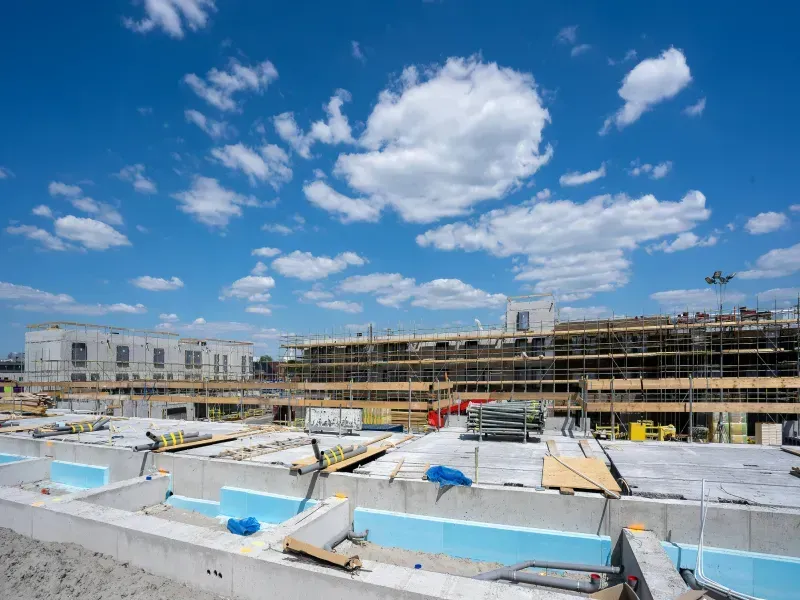
Commercial concrete is built to be stronger and denser than residential concrete. It typically has a higher compressive strength, allowing it to support heavy vehicles, equipment, and ongoing foot traffic without cracking or breaking down too quickly.
Residential concrete does not require the same level of strength, but durability is still important. Driveways, patios, and sidewalks must handle cars, changing weather, and daily use. They are simply not exposed to the same level of stress as commercial or industrial spaces. Choosing the right concrete strength for how the area will be used helps it stay attractive and perform well for years to come.
Why Commercial Concrete Requires Higher Load-Bearing Capacity
One of the most important features of commercial concrete is its ability to support heavy loads. Commercial spaces often carry the weight of machinery, delivery vehicles, and large numbers of people. The concrete must distribute that weight evenly and remain stable under constant pressure.
Because of this, commercial concrete projects require careful planning and testing before installation begins. The goal is to reduce the risk of cracking, sinking, or uneven surfaces over time. When concrete is designed to handle the correct load, it helps protect the structure above and creates a safer environment for everyone who uses the space.
Reinforcement Methods Used in Commercial Concrete Projects
Commercial concrete almost always includes added reinforcement to improve strength and durability. This often means using rebar, wire mesh, or fiber additives mixed into the concrete. These reinforcements help control cracking and support the slab as it handles heavy use over time.
Residential concrete can also include reinforcement, but it is usually more limited. For example, driveways may use wire mesh, while patios might include rebar in key areas. In commercial concrete, reinforcement is essential, not optional. It helps the surface stay stable as temperatures shift and heavy loads move across it day after day.
Design Standards and Building Codes for Commercial Concrete
Commercial concrete projects must follow stricter building codes than residential ones. These codes cover thickness, reinforcement, drainage, and safety standards. They’re designed to protect the public and ensure structures perform as expected.
Residential concrete codes still matter, but they’re usually less complex. Commercial concrete design requires careful coordination with engineers, inspectors, and contractors. Following these standards from the start prevents delays, fines, and expensive repairs later on.
How Usage and Traffic Impact Commercial Concrete Design Choices
How concrete will be used plays a big role in how it is designed. Commercial concrete must be built to handle constant foot traffic, heavy vehicles, moving equipment, and ongoing weather exposure. These factors directly affect the thickness of the slab, the type of reinforcement used, and the surface finish chosen.
Residential concrete is more focused on comfort and appearance, but it still needs to stand up to everyday use. Driveways, patios, and walkways must handle cars, foot traffic, and changing seasons. When concrete is designed around real world use, it performs better, lasts longer, and stays safer wherever it is installed.
Surface Finishes and Appearance: Commercial Concrete vs. Residential Concrete
Commercial concrete is usually designed with function as the top priority. Finishes are often slip resistant, textured, or sealed to improve durability. These surfaces are chosen to increase safety, reduce maintenance, and hold up well under constant use.
Residential concrete allows for more design flexibility. Homeowners often select stamped patterns, decorative textures, or custom colors to match their outdoor spaces. While commercial concrete can still have a clean and professional appearance, performance comes first. Choosing the right finish depends on how the space will be used on a daily basis.
Project Scale and Installation Timelines for Commercial Concrete Work
Commercial concrete projects are often larger and more complex than residential jobs. They require detailed planning, more materials, and stricter schedules. Coordination is especially important when work is done around active businesses, customers, or public spaces.
Residential concrete projects are usually quicker and more straightforward. A driveway or patio can often be completed in just a few days. Commercial concrete projects may take several weeks depending on size and scope. Knowing the timeline ahead of time helps set clear expectations and keeps the project moving smoothly from start to finish.
Cost Considerations When Choosing Commercial Concrete vs. Residential Concrete
Commercial concrete typically costs more because it requires stronger materials, added reinforcement, thicker pours, and skilled installation. These elements are necessary to support heavier loads and withstand constant use over time.
Residential concrete is usually more budget friendly, but it is still a meaningful investment in your home. Cutting corners with either type of concrete can lead to cracking, repairs, and early replacement. Choosing quality materials and proper installation from the start often saves money and frustration in the long run.
Which Option Is Right for Your Property: Commercial Concrete or Residential Concrete?
Choosing between commercial concrete and residential concrete depends on how the space will be used, not just how it looks. A home based business, rental property, or large driveway may benefit from commercial grade materials that offer added strength and durability.
If you are unsure which option is right, working with an experienced contractor can make the decision much easier. The right guidance helps you choose concrete that meets your needs today and performs well long term. If you are planning a project in Bellingham,
contact Puget Sound Concrete for trusted advice and quality craftsmanship.
Call 360-927-1860 to discuss your project and take the next confident step forward.
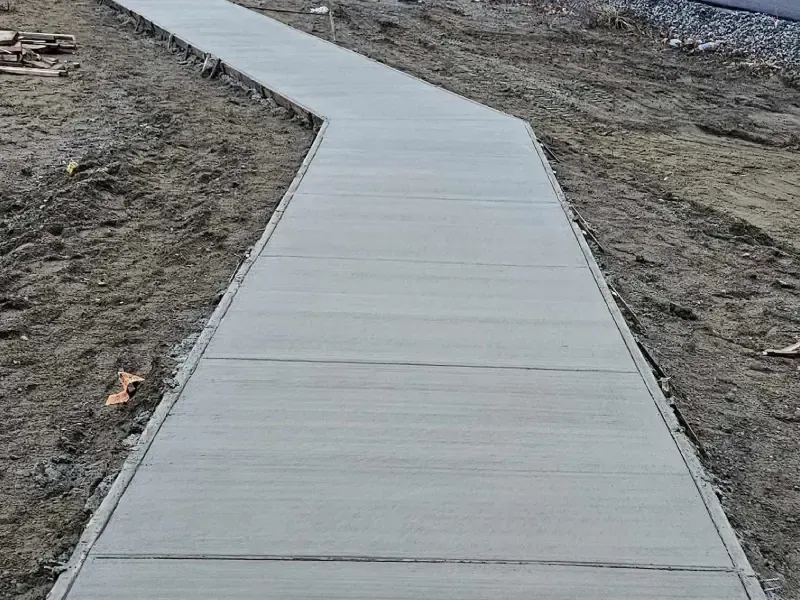
Learn how a concrete walkway can boost curb appeal, create a professional entrance, and improve the customer experience for your commercial property today.
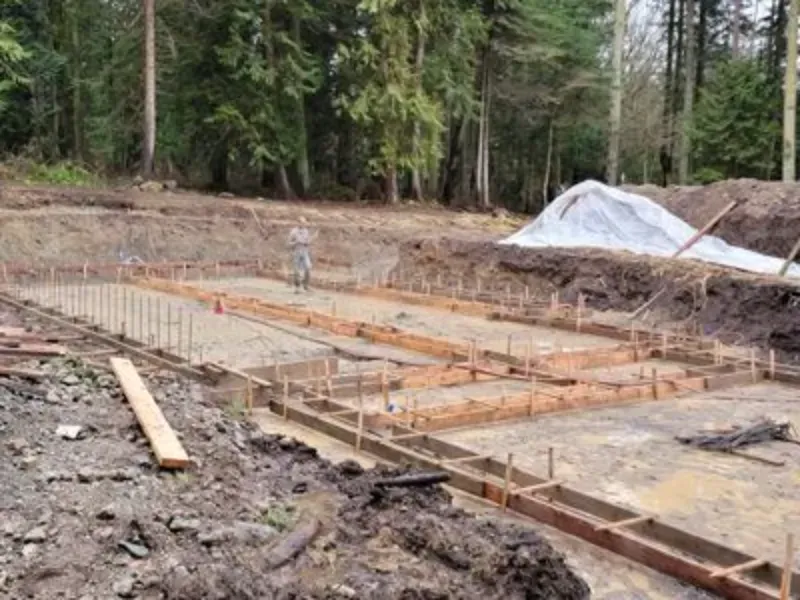
Discover why proper base preparation is critical for a concrete foundation, including soil, compaction, drainage, stability, and long-term strength today.
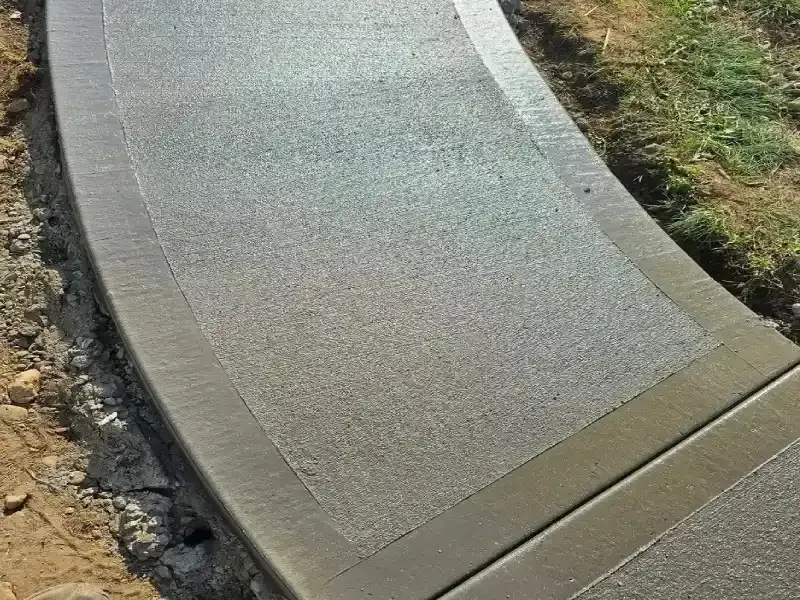
Learn how hot weather affects concrete curing, cracking, and timing so you can plan your summer project with Puget Sound Concrete. Call today.
Learn why proper base preparation is critical for a strong concrete foundation that resists cracking, shifting, and costly repairs.
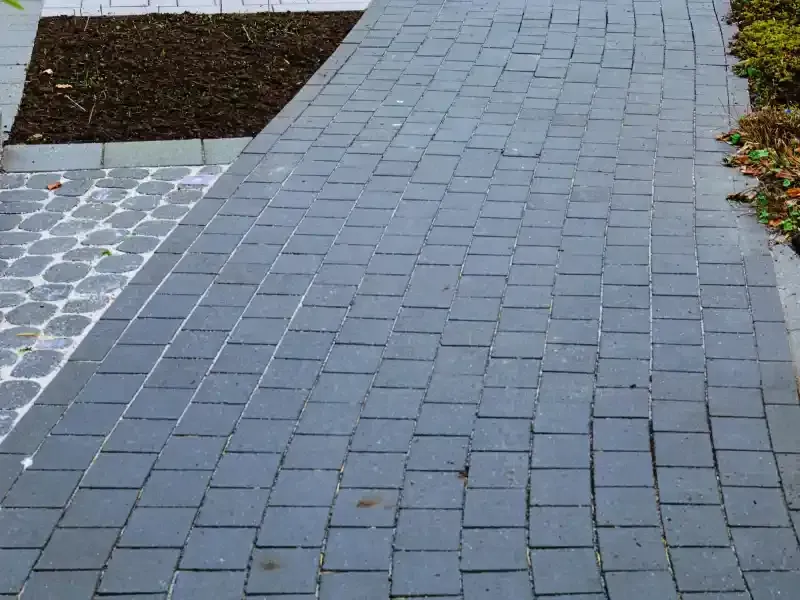
Learn how concrete walkways improve accessibility, safety, and usability for homes and businesses with long-lasting, attractive results.
Learn what helps concrete walkways last longer in Bellingham’s wet climate. Discover preparation, materials, and installation tips for durable results.
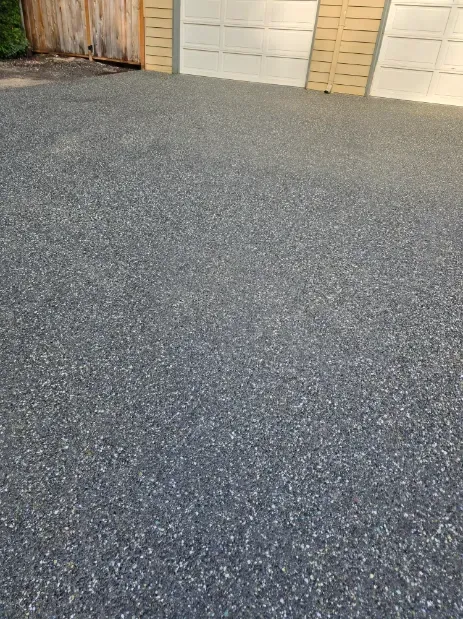
Learn simple, year-round tips to clean, protect, and maintain your exposed aggregate concrete driveway so it stays strong and visually appealing.
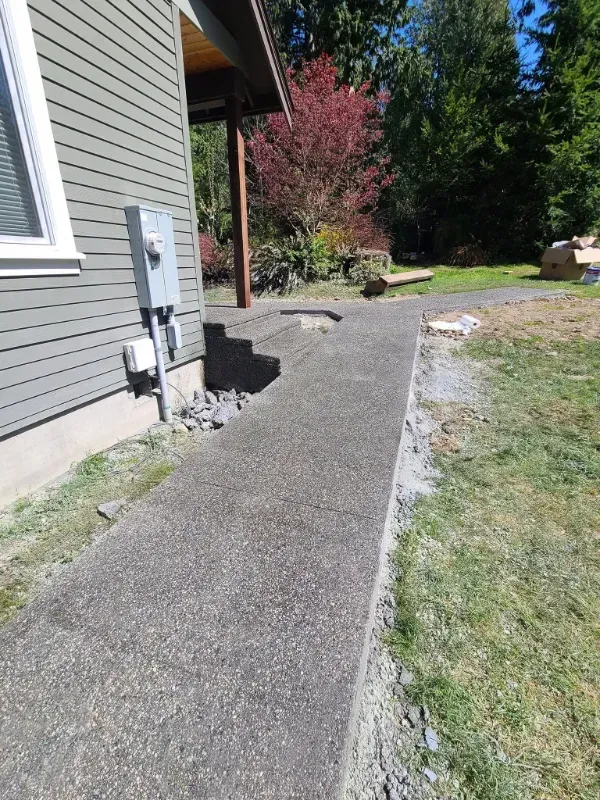
Learn whether your concrete walkway needs simple repairs or a full replacement. Understand cracks, safety risks, costs, and when to call a pro for peace of mind.
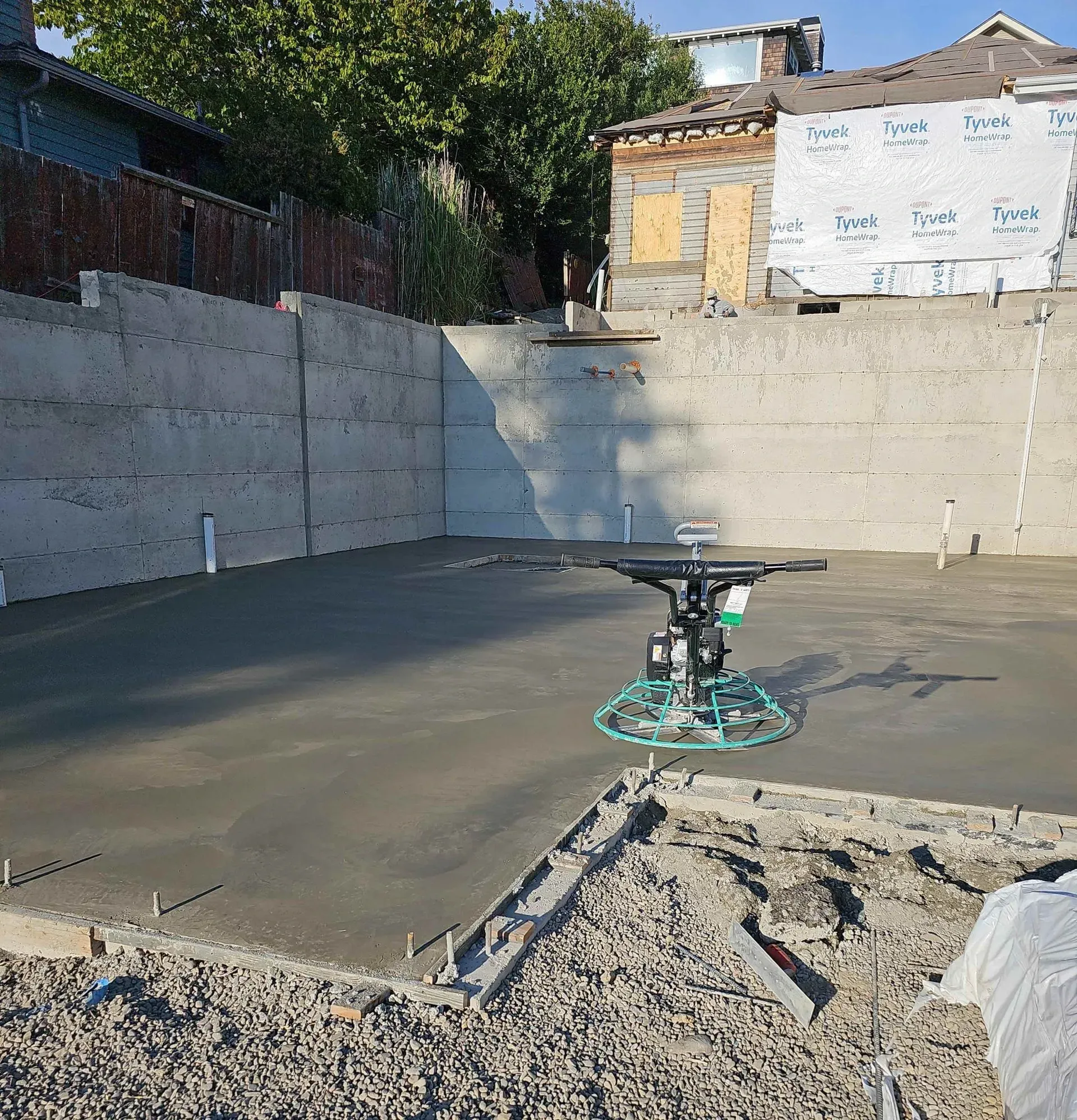
Learn how to choose the best concrete finish for driveways, patios, and walkways. Compare broom, trowel, stamped, and exposed aggregate to find the perfect fit.
Learn how your concrete foundation affects flooring, walls, and moisture control. Discover tips to keep your home strong and stable for years to come.