



1501 St. Paul St. Bellingham, WA 98229
Pouring Concrete in Hot Weather: What Homeowners Should Know
Michelle Lee • July 21, 2026
Why Hot Weather Changes the Way Concrete Cures
Concrete may look simple when it is poured, but there is a lot happening underneath the surface. When fresh concrete is placed, it needs time to harden the right way. This process is called curing. In hot weather, the sun, warm air, and dry wind can pull moisture out of the concrete too quickly.
That may not sound like a big deal at first, but moisture is what helps concrete gain strength. When it disappears too fast, the surface can dry before the inside is ready. That is why summer concrete work needs planning, timing, and care. With the right approach, a hot-weather project can still turn into a strong, clean, and lasting concrete surface.
How Heat Can Affect a Fresh Concrete Pour
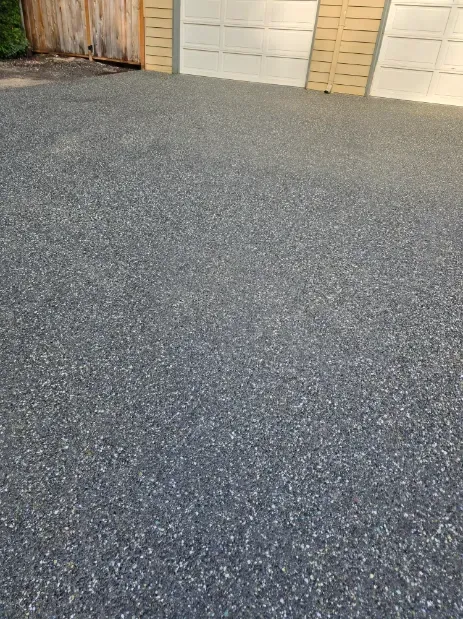
Hot weather can make fresh concrete harder to work with. It may start setting faster than expected, which gives the crew less time to spread, level, and finish it properly. A driveway, patio, or sidewalk that normally allows plenty of working time can suddenly feel rushed when the temperature climbs.
This is one reason homeowners should not think of concrete as something that can be poured anytime. Heat changes the pace of the project. A good crew understands this and adjusts the plan so the concrete has a better chance to cure evenly, look clean, and last longer.
Why Timing Matters for Summer Concrete Projects
Timing can make a big difference during summer concrete projects. Pouring in the middle of a hot afternoon may not be the best choice because the sun is stronger and the surface can dry faster. Early morning is often better because temperatures are cooler and the concrete has a calmer start.
Think of it like planting a young tree. You would not plant it during the hottest part of the day and walk away. Concrete also needs the right conditions in the beginning. When timing is handled well, the finished project has a stronger foundation from the start.
What a Concrete Contractor Watches for in Hot Weather
A concrete contractor pays attention to more than just the shape of the slab. In hot weather, they watch the temperature, wind, sunlight, moisture, and how quickly the concrete is starting to set. These details help them decide how fast they need to work and what steps may help protect the pour.
This kind of experience matters because concrete does not always give second chances. Once it begins to harden, there is only so much time to finish it correctly. A skilled contractor knows what to look for before small problems turn into bigger ones. That extra care can help the finished concrete look smoother, cure stronger, and hold up better over time.
How Fast Drying Can Lead to Surface Cracks
One of the biggest concerns with hot weather is fast drying. When the top of the concrete dries too quickly, it can shrink before the rest of the slab has settled. That shrinking can cause small cracks on the surface. These cracks may seem minor, but they can affect how the concrete looks and performs.
Not every crack means the project was done poorly, because concrete naturally moves over time. Still, fast drying can increase the risk. That is why contractors work to slow the drying process and give the surface a better chance to cure the right way. With the right care, the concrete has more time to settle, strengthen, and look the way it should.
Why Concrete Needs Moisture During the Curing Process
Concrete needs moisture to become strong. It may seem strange because concrete looks hard after only a short time, but the curing process continues long after the surface feels firm. Moisture helps the cement inside the mix keep reacting and building strength.
When hot weather steals that moisture too early, the concrete can become weaker than it should be. This is why curing is not just an extra step. It is part of the job. Keeping concrete properly cared for after the pour can help protect the time, money, and effort put into the project.
The Best Time of Day to Pour Concrete in Hot Weather
During hot weather, the best time to pour concrete is often early in the morning. The air is usually cooler, the ground may not be as hot, and the sun is less intense. This gives the concrete a better chance to settle and begin curing before the day reaches peak heat.
In some cases, late afternoon may also work, depending on the project and conditions. The main goal is to avoid the harshest heat when possible. A smart schedule can help the crew work better and help the homeowner feel more confident about the final result.
How Contractors Help Reduce Cracking Risks
Contractors can reduce cracking risks by planning ahead. They may adjust the schedule, prepare the site carefully, use the right mix, and finish the concrete at the right time. They also pay attention to control joints, which help guide where the concrete can move as it settles and changes.
This does not mean concrete will never crack, because all concrete can move with weather and time. But good planning can make a real difference. A thoughtful contractor does not just pour and leave. They make choices that help the project look better and hold up longer.
What Homeowners Should Know Before a Summer Concrete Project
Before starting a summer concrete project, homeowners should know that weather can affect the schedule. A hot day may mean an earlier start, a faster crew pace, or extra curing care after the pour. This is not something to worry about. It is simply part of doing the job wisely.
It also helps to ask questions before the project begins. Find out how the contractor handles hot weather, curing, and cracking concerns. When you understand the process, you feel more prepared. You also know what to expect during the first few days after the concrete is placed.
Why Hiring the Right Concrete Contractor Matters in Hot Weather
Hot weather can make concrete work more challenging, but the right contractor knows how to handle it. They understand timing, curing, finishing, and the small details that help protect the finished project. That kind of care can make your driveway, patio, walkway, or slab feel like a smart investment.
Reach out to Puget Sound Concrete
and
call at 360-927-1860 if you are planning a summer concrete project. As your local concrete contractor, our team can help you plan the right time, understand the process, and move forward with confidence. Whether you need a driveway, patio, walkway, or slab, we are here to help you get the job done with care.
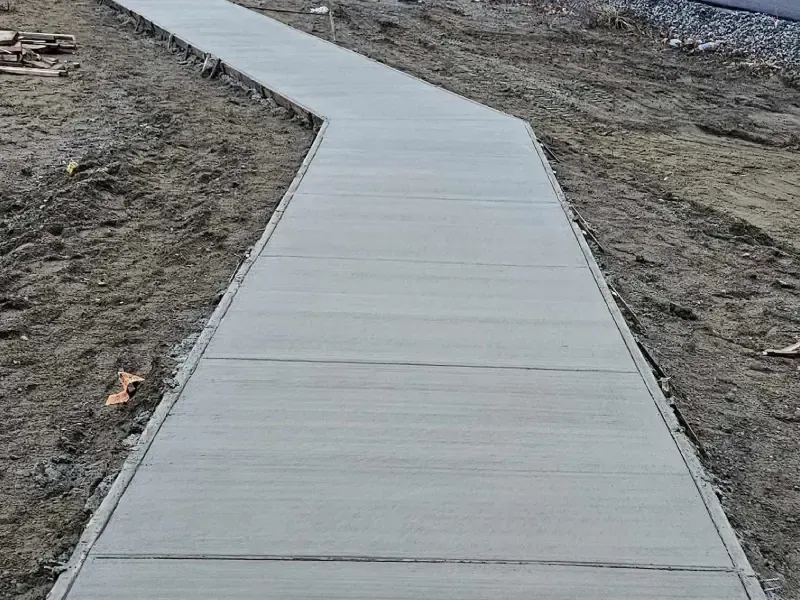
Learn how a concrete walkway can boost curb appeal, create a professional entrance, and improve the customer experience for your commercial property today.
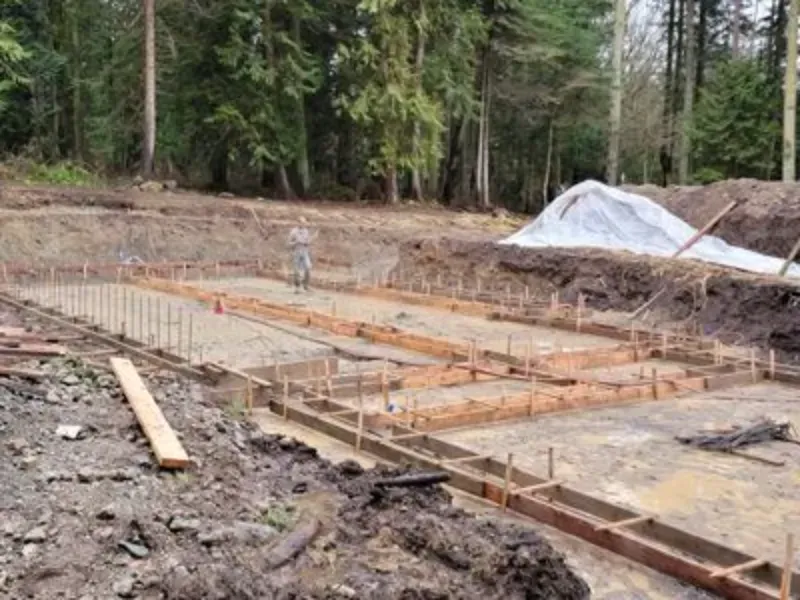
Discover why proper base preparation is critical for a concrete foundation, including soil, compaction, drainage, stability, and long-term strength today.
Learn why proper base preparation is critical for a strong concrete foundation that resists cracking, shifting, and costly repairs.
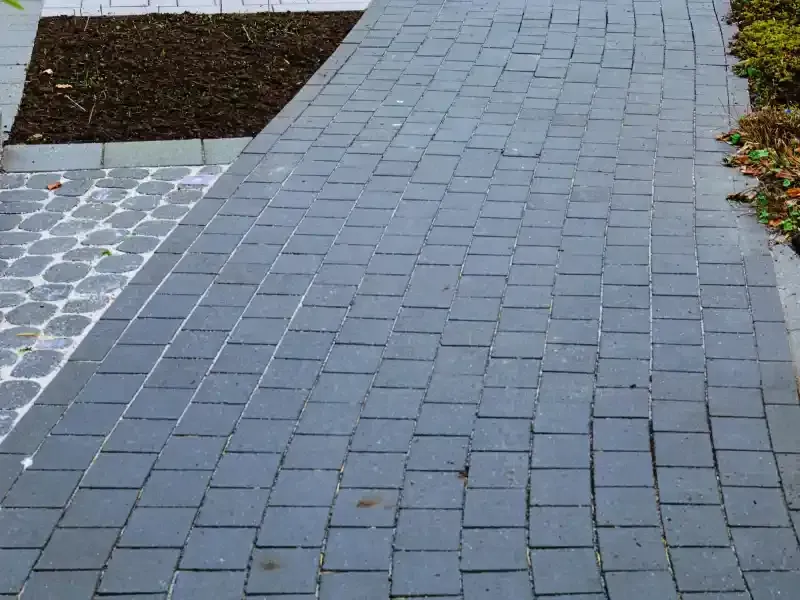
Learn how concrete walkways improve accessibility, safety, and usability for homes and businesses with long-lasting, attractive results.
Learn what helps concrete walkways last longer in Bellingham’s wet climate. Discover preparation, materials, and installation tips for durable results.
Learn simple, year-round tips to clean, protect, and maintain your exposed aggregate concrete driveway so it stays strong and visually appealing.
Learn the key differences between commercial concrete and residential concrete, including strength, design, and cost, to choose the right option.
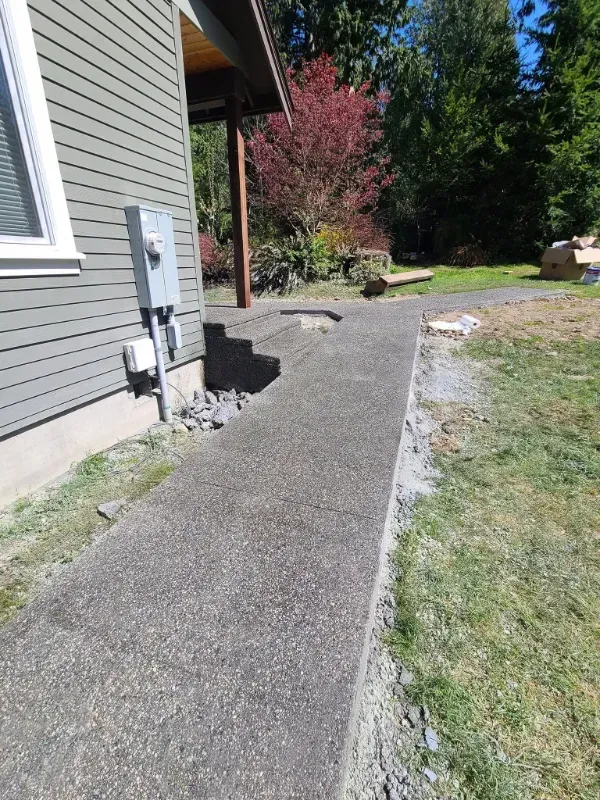
Learn whether your concrete walkway needs simple repairs or a full replacement. Understand cracks, safety risks, costs, and when to call a pro for peace of mind.
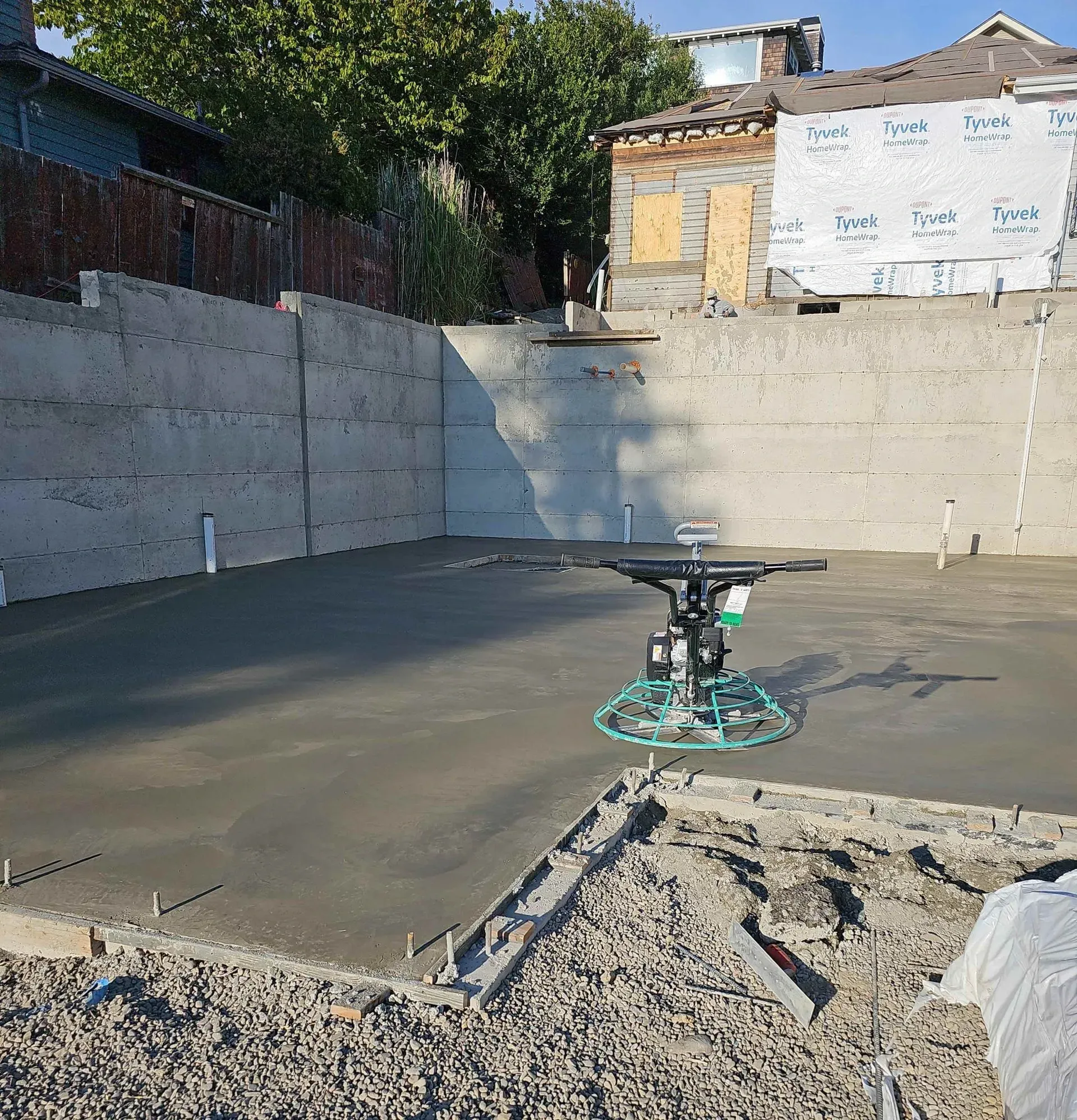
Learn how to choose the best concrete finish for driveways, patios, and walkways. Compare broom, trowel, stamped, and exposed aggregate to find the perfect fit.
Learn how your concrete foundation affects flooring, walls, and moisture control. Discover tips to keep your home strong and stable for years to come.