



1501 St. Paul St. Bellingham, WA 98229
Why Proper Base Prep Matters for a Concrete Foundation
Michelle Lee • August 18, 2026
Why Proper Base Preparation Is Critical for Long-Lasting Concrete
Concrete may look like one solid, powerful slab when the job is finished, but what sits underneath matters just as much. The base helps keep the concrete level, supported, and stable as it handles weight, changing weather, and years of everyday use. Without a solid base, even well-poured concrete can begin to shift or crack sooner than expected.
That means a
long-lasting driveway, patio, sidewalk, or concrete foundation actually begins before the concrete truck arrives. Proper preparation underneath the surface helps reduce movement and gives the concrete a stronger place to rest. When the base is prepared correctly, the finished concrete has a better chance of staying strong, steady, and resistant to cracking over time.
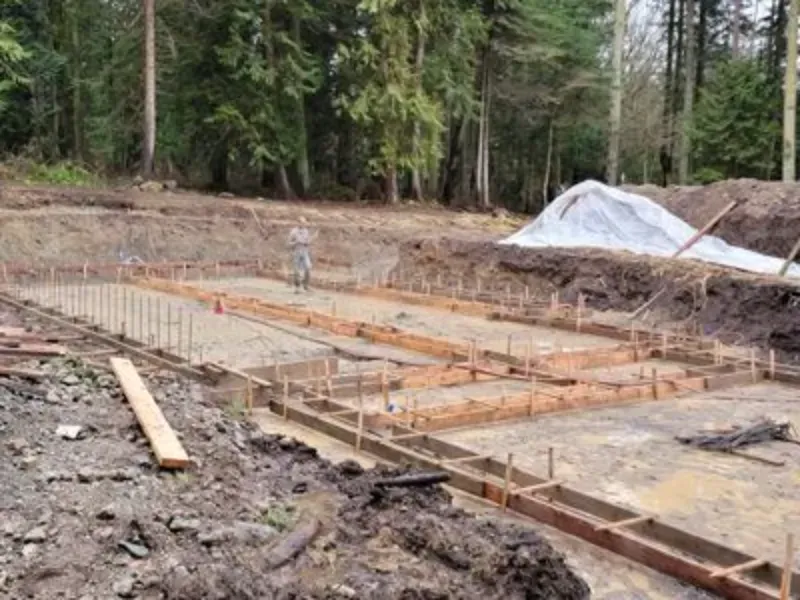
Why Base Preparation Matters Before Pouring Concrete
Think about building a sandcastle on loose, fluffy sand. Even if you make the castle perfectly, the ground underneath can shift and cause the whole thing to lean or fall. Concrete works in a similar way. It needs a firm, steady surface beneath it. Good base preparation gives concrete the support it needs once weight is added on top.
Cars, furniture, foot traffic, walls, and even the concrete itself create pressure. When the ground underneath is properly prepared, that pressure is spread more evenly instead of pushing into weak spots. This can help reduce cracking, prevent uneven settling, improve drainage, keep the concrete level, and extend the life of the finished surface.
What Is the Base Beneath a Concrete Foundation?
The base is the layer of prepared material placed between the natural soil and the concrete. Depending on the project, it may include compacted soil, gravel, crushed stone, or another material that creates a strong and stable surface. This layer helps spread weight evenly and gives the concrete reliable support from below.
For a concrete foundation, the base is especially important because it supports the weight of a home, garage, addition, or other structure. If the soil underneath shifts or settles too much, the concrete above may move with it. The goal is simple: give the concrete something dependable to sit on so it can stay strong and stable for years.
How Proper Compaction Helps Prevent Concrete Cracking
Adding gravel or base material is only part of the job. That material also needs to be compacted. Compaction presses loose material tightly together, creating a firmer surface and removing spaces that could allow the ground to sink later. Imagine stepping onto a fluffy pillow compared with stepping onto a firm mattress.
Concrete prefers the firm mattress. Without enough compaction, sections beneath the slab may slowly settle. Once that happens, part of the concrete can lose support, pressure can build, and eventually a crack may form. Proper compaction helps create a more even surface so the slab stays supported from one side to the other.
Choosing the Right Base Material for Long-Lasting Concrete
Not every pile of rock makes a good concrete base. Contractors often use materials such as crushed stone or gravel because the pieces can lock together when compacted. These materials can also help water move more easily than soft or muddy soil. Choosing the right base material helps create a stronger surface that can better support the concrete above it.
The right material depends on the type of concrete project, local soil conditions, drainage around the property, and the amount of weight the concrete will support. A driveway that regularly supports trucks may need different preparation than a small backyard walkway, while a concrete foundation has its own structural requirements.
How Poor Drainage Can Weaken a Concrete Foundation
Water has a way of finding every weak spot. When water collects underneath or around concrete, it can soften the soil and cause it to move. Over time, that movement may reduce the support beneath the slab or foundation. Good drainage helps keep excess water away from the base and gives the concrete more stable support over time.
In colder climates, water in the soil may freeze, expand, and push upward. When it thaws, the soil may settle again. Repeated freezing and thawing can put extra stress on concrete. That is why drainage should be considered during base preparation so water moves away instead of sitting underneath the concrete.
Why Soil Conditions Matter Before Concrete Installation
Soil may seem like soil, but different types behave very differently. Some soil is firm and drains well. Other soil holds water, expands, shrinks, or becomes soft when wet. Loose fill dirt can also settle long after it has been placed. Understanding the soil helps contractors prepare the ground correctly before any concrete is poured.
Before concrete is installed, the soil should be evaluated and prepared for the type of project being built. Weak areas may need to be removed or improved before the base material is added. Concrete is strong, but it does not like unsupported movement. If one area sinks while another stays firm, cracking can happen.
How Base Thickness Affects Concrete Strength and Stability
The depth of the base matters too. A thin layer of gravel may look finished from above, but it may not provide enough support for certain projects. The proper thickness depends on the soil, expected weight, and type of concrete installation. A properly sized base helps spread weight more evenly and gives the concrete stronger support from below.
A driveway needs to handle repeated vehicle traffic, while a patio usually carries lighter loads. A concrete foundation may support thousands of pounds from the structure above it. The base must be prepared with those future loads in mind so the concrete has steady support for years to come.
Common Base Preparation Mistakes That Lead to Concrete Damage
Many concrete problems begin with shortcuts that were taken before anyone could even see the finished surface. Pouring over loose soil, failing to remove soft areas, using the wrong base material, skipping proper compaction, or ignoring drainage problems can all lead to trouble later.
At first, everything may still look beautiful. That is what makes these mistakes frustrating. Problems may not appear until months or years later after the soil has had time to move. Homeowners do not need to become concrete experts, but it is perfectly reasonable to ask a contractor how the base will be prepared.
How Proper Base Preparation Extends the Life of Concrete
Good base preparation is really about giving concrete fewer reasons to fail. When the soil is stable, the base is compacted, and drainage is handled properly, the finished slab has steady support underneath it. That strong support can help reduce settling, movement, and cracking as the concrete ages.
That can help concrete stay flatter and stronger through changing seasons and years of daily use. It also helps protect the money you put into the project. Replacing damaged concrete can be expensive, so taking the time to prepare the ground correctly from the beginning can save a lot of trouble later.
Building a Strong Concrete Foundation Starts From the Ground Up
Beautiful concrete begins underground. From inspecting the soil to adding the right material, compacting the base, and managing drainage, every preparation step plays a part in how well the finished concrete holds up. A strong base helps reduce movement, improve stability, and give the concrete the support it needs through changing weather and everyday use.
Reach out to Puget Sound Concrete and call at 360-927-1860 to get started on your next concrete project in Bellingham. Whether you are planning a driveway, patio, walkway, or concrete foundation, proper preparation can help create stronger, longer-lasting results from the ground up.
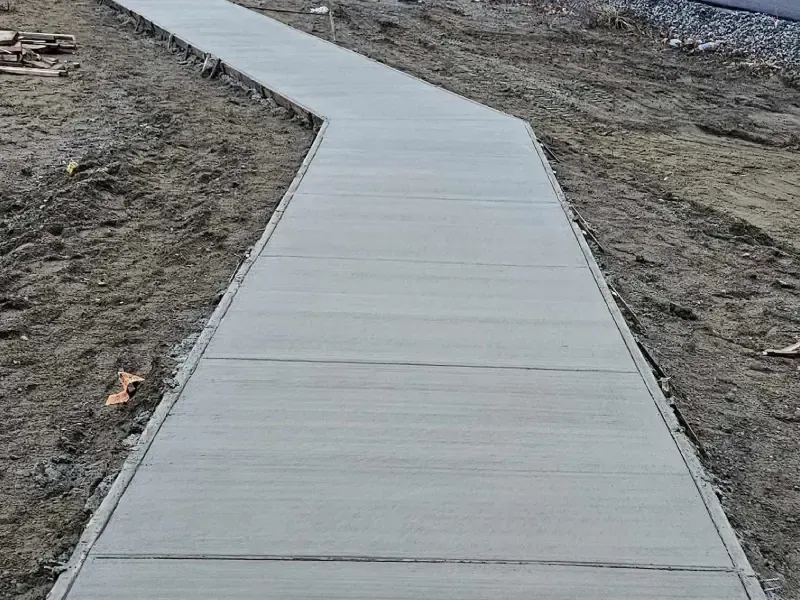
Learn how a concrete walkway can boost curb appeal, create a professional entrance, and improve the customer experience for your commercial property today.
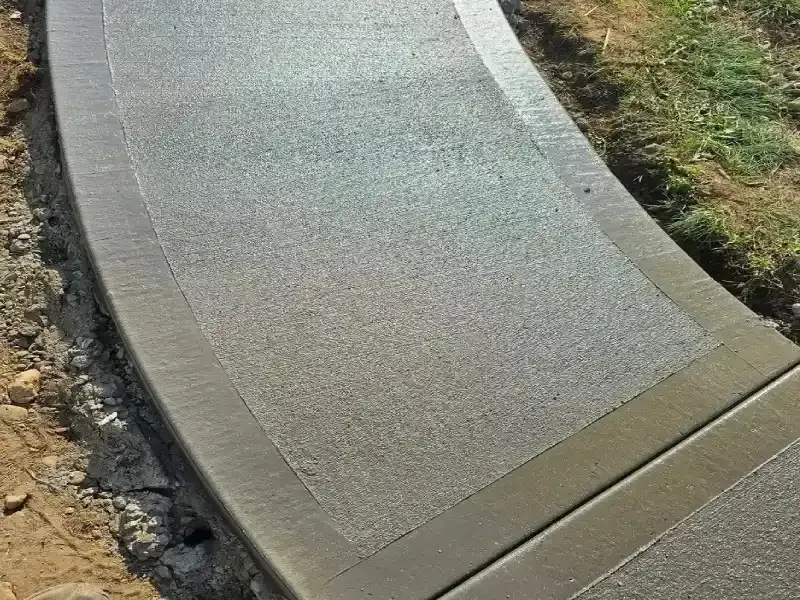
Learn how hot weather affects concrete curing, cracking, and timing so you can plan your summer project with Puget Sound Concrete. Call today.
Learn why proper base preparation is critical for a strong concrete foundation that resists cracking, shifting, and costly repairs.
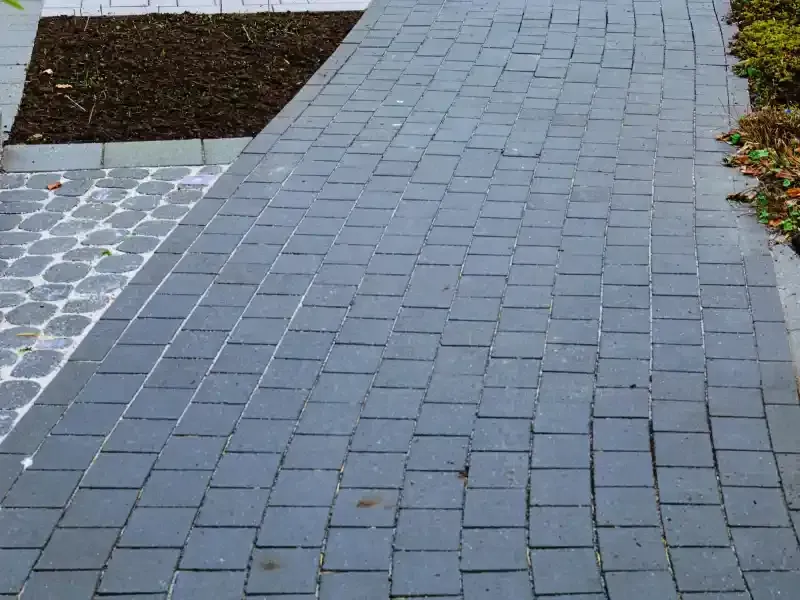
Learn how concrete walkways improve accessibility, safety, and usability for homes and businesses with long-lasting, attractive results.
Learn what helps concrete walkways last longer in Bellingham’s wet climate. Discover preparation, materials, and installation tips for durable results.
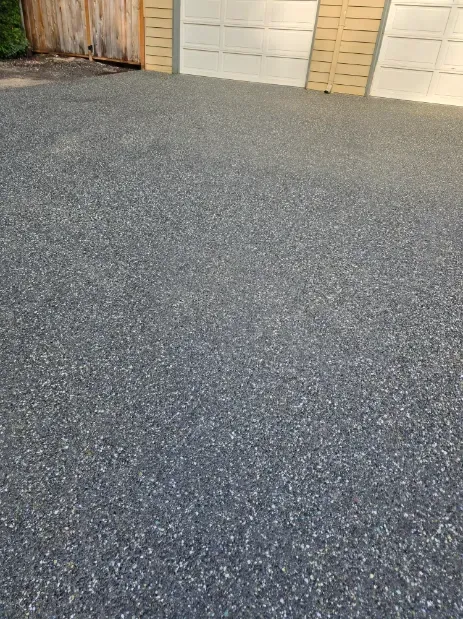
Learn simple, year-round tips to clean, protect, and maintain your exposed aggregate concrete driveway so it stays strong and visually appealing.

Learn the key differences between commercial concrete and residential concrete, including strength, design, and cost, to choose the right option.
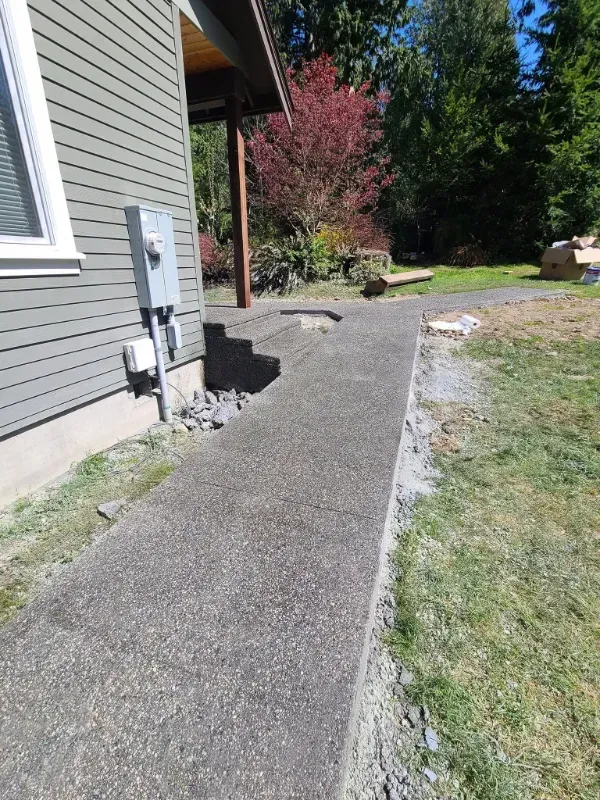
Learn whether your concrete walkway needs simple repairs or a full replacement. Understand cracks, safety risks, costs, and when to call a pro for peace of mind.
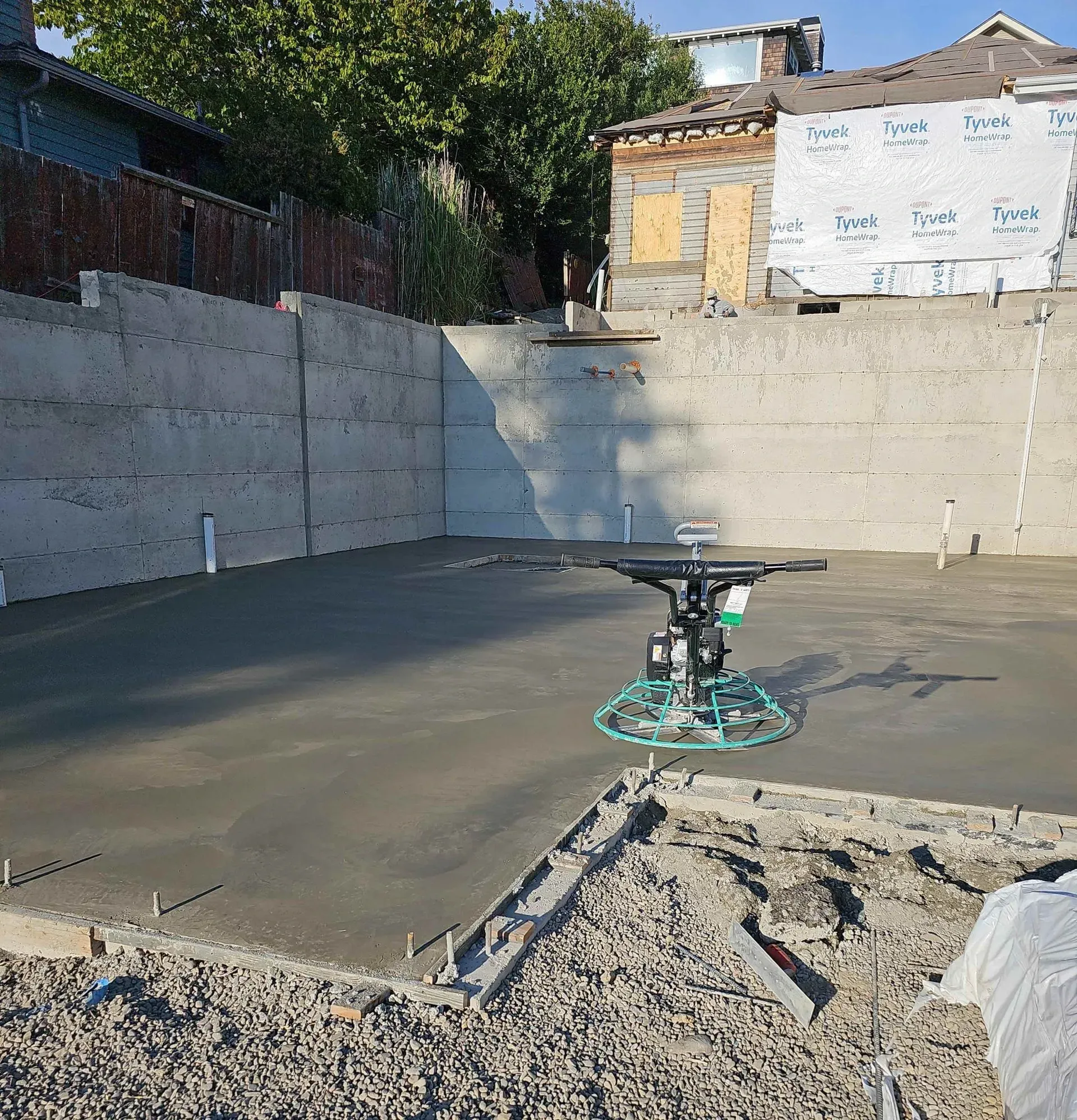
Learn how to choose the best concrete finish for driveways, patios, and walkways. Compare broom, trowel, stamped, and exposed aggregate to find the perfect fit.
Learn how your concrete foundation affects flooring, walls, and moisture control. Discover tips to keep your home strong and stable for years to come.